
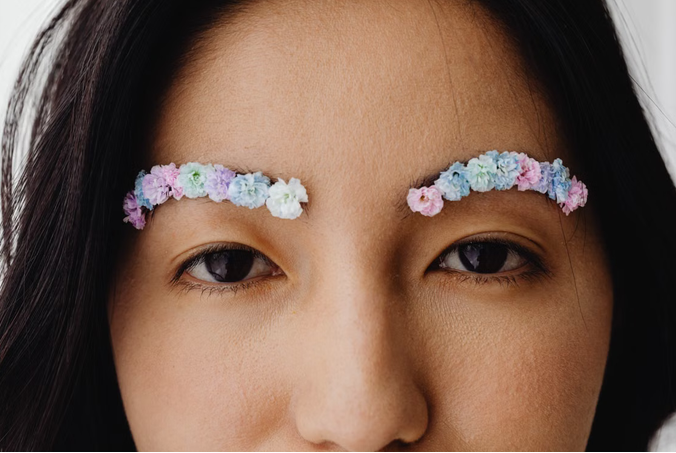
Why Changing Eyebrow Trends Can Alter Perceptions of the Entire Face
Eyebrows occupy a relatively small area of the face, yet their position, shape, thickness, and direction can shape how people perceive surrounding features. Because they sit directly above the eyes, changes to their outline can affect the apparent relationship between the forehead, eyes, nose, and upper cheeks. A straighter brow can create a different visual impression from a strongly arched one, even when the underlying facial structure remains unchanged. This makes eyebrows an important part of overall facial appearance.
Why Small Changes Can Produce Larger Visual Effects
The human brain tends to interpret facial features in relation to one another rather than examining each feature independently. Changing an eyebrow’s height or width can therefore alter the perceived proportions of nearby areas. Raising the brow may make the eyes appear more open, while a lower or fuller shape can create a different sense of depth around the eye area. These effects are primarily visual rather than structural, but they can change how the entire face is interpreted at first glance.
How Fashion Influences Brow Shapes
 Eyebrow trends have changed considerably across periods, with preferences shifting between thin, highly defined shapes and fuller, more natural-looking styles. These shifts can influence how people understand facial proportions because repeated exposure makes a fashionable brow shape familiar. When a particular style dominates magazines, advertising, entertainment, and social media, viewers may become accustomed to interpreting faces through that visual framework. A brow style can therefore shape perceptions of what looks balanced, expressive, youthful, or refined in …